
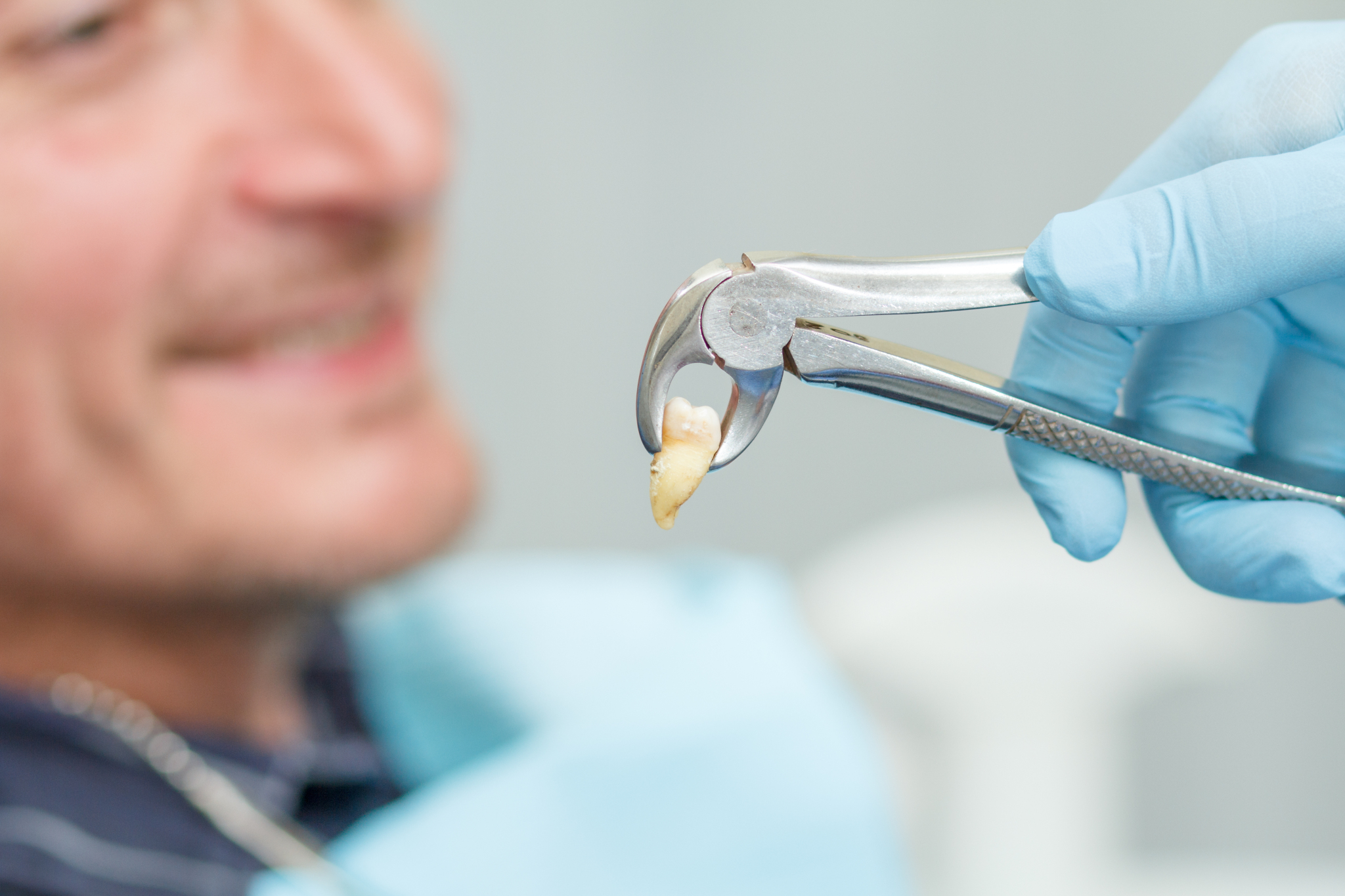
Whenever someone learns that they need to get their tooth pulled, the first question they ask is – why? We realize there are a lot of misconceptions and even fears around tooth extractions. As a result, many people delay this inevitable procedure, complicating the situation even more. So, we would like to clear all the doubts and let you know everything there is to know about tooth extractions.
Why and when do you need to undergo tooth extraction?
Before we dive into the procedure of getting your tooth extracted, let us discuss the situations where getting your teeth pulled becomes a necessity.
Decay: Dental decay is the most common reason for needing to extract a tooth. Extensive dental decay leaves little healthy structure for a tooth to function normally, and as a result, it must be extracted.
Gum disease: Once periodontitis sets in, it leads to tooth mobility and loosening. As the disease progresses, it destroys the bone, and at some point, the teeth get so loose that they can no longer function.
Trauma: Severely fractured teeth or teeth in the line of facial trauma and fractures will be painful and cause numerous issues if left untreated.
Unusual Growth: Unerupted or unusually erupted third molars (wisdom teeth) also need to be removed. At times, teeth (mostly premolars) are removed to create space in the mouth to treat crowding and get the teeth in proper alignment.
Types of tooth extraction
Broadly the procedure of tooth extraction can be classified as simple tooth extractions and surgical tooth extractions.
Simple tooth extractions: Simple tooth extractions are carried out when the intended tooth is visible within the mouth. Our operating dental surgeon will first inject you with local anesthesia to ensure maximum comfort and painless tooth removal. Next, the tooth is removed with the help of dental elevators and forceps. These extractions generally happen within a short time frame, and you will be free to leave as soon as the tooth is removed and the related bleeding is under control.
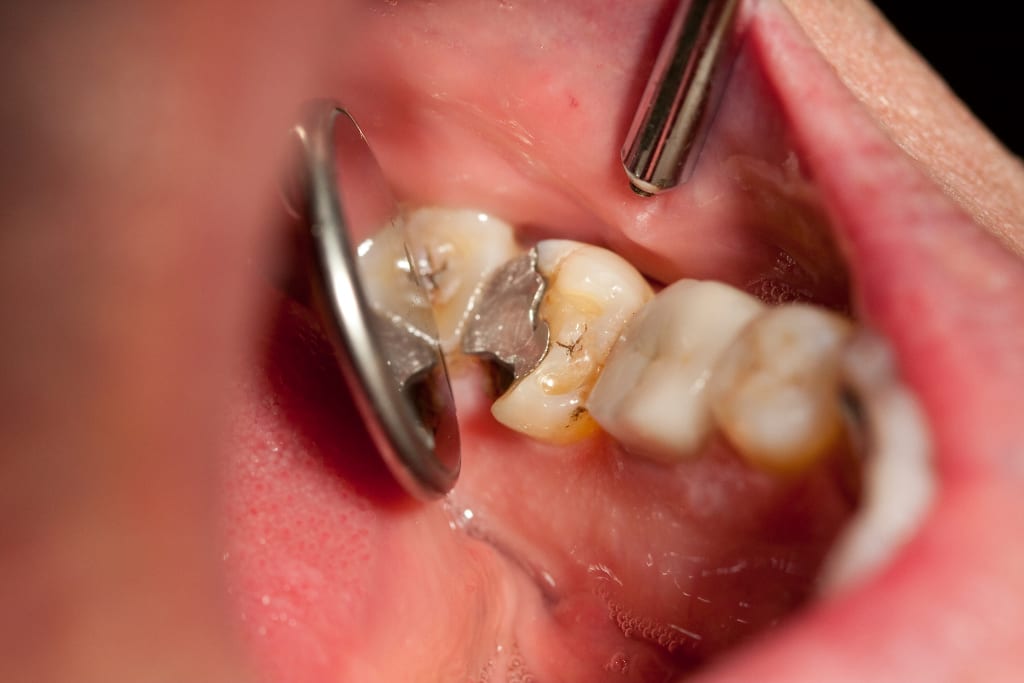
Surgical tooth extractions: Surgical tooth extractions are reserved for when a tooth is not visible or inaccessible. This method is generally used to remove impacted teeth (generally wisdom teeth), decayed and broken teeth inside the gums, or cases where the remaining tooth remains inside the gums and bone. The procedure starts with the administration of local anesthetic; however, when the extractions are complicated, we may prescribe general anesthesia. Next, your dental surgeon will cut through the gums to expose the tooth and gain accessibility. Once proper access is established, we will use specialized dental elevators and forceps to remove the tooth. Sometimes, some bone may have to be removed, and the tooth may have to be sectioned for proper and uneventful removal. Once the entire tooth is removed, the gums are closed with sutures, and the operation site is cleaned and packed.
What happens post teeth removal, and how to care for the tooth removal site?
Once the tooth is removed, it leaves a hole in the gums, healing within two weeks. However, shortly after the removal, the space fills with a blood clot. It is imperative to ensure that this clot does not get dislodged as it is critical for healing. Over time, the space fills with new bone, soft tissues, and new gum tissue.
Post tooth removal precautions:
- Take any prescribed antibiotics and painkillers on time.
- Do not forcefully rinse your mouth or spit for 24 hours post removal.
- Do not suck through a straw.
- Do not smoke after tooth extraction.
- Use a cold compress if you experience any swelling post tooth removal; It will help alleviate the pain and reduce the swelling.
- If you experience continued bleeding or too much pain, please call us to schedule an emergency appointment.
- Do not consume hot foods or liquids post-surgery.
- Keep your mouth clean by following a good oral hygiene routine.
Problems that arise with missing teeth
Living with missing teeth is often an uncomfortable experience and interferes with day-to-day life. Missing teeth compromise your chewing capabilities and hinder speech. Moreover, it can also cause the remaining teeth to shift, disturbing oral harmony and further tooth loss.
Once teeth are lost, the jawbone undergoes the process of resorption, which can change facial proportions. Over time, the facial structures tend to collapse, which makes the appearance of wrinkles more prominent.
Teeth replacement options
A single missing tooth or several missing teeth can be replaced with the help of dentures, dental bridges, or dental implants. Dental dentures are often the least expensive tooth replacement option. However, being removable, dentures can cause trouble with chewing and speech and are not a permanent fix.
Dental bridges are fixed dental prostheses that utilize nearby natural teeth to support a bridge structure that contains the missing teeth. The best and the most excellent way of replacing missing teeth are, however, dental implants. Dental implants are anchored to the jawbone and are surgical fixtures over which dental crowns, bridges, and dentures are anchored. It is a permanent solution that preserves the bone structure, ensuring superior facial aesthetics and restoring complete chewing capabilities and speech.
How can you prevent your tooth from being extracted?
The best way to prevent tooth removal is to ensure you have good oral hygiene. Brush your teeth twice a day and floss once every day to ensure adequate oral debris removal. Regular visits to your favorite dental clinic will ensure you will never have to face dental extraction. Early detection and treatment will prevent the need for future teeth removal. If you have any more questions or would like to schedule an appointment, please reach out to us, and our team of excellent dental professionals will be there to assist you.
Why is visiting the dentist so important?
Visiting the dentist regularly will not only help keep your teeth and mouth healthy, but will also help keep the rest of your body healthy. Dental care is important because it:
- Helps prevent tooth decay
- Protects against periodontal (gum) disease, which can lead to tooth and bone loss
- Prevents bad breath – brushing, flossing, and seeing the dentist regularly will help reduce the amount of bacteria in your mouth that causes bad breath